
Homeostasis involves maintaining a constant internal environment in
order for the body to function, regardless of the external conditions. The
skin plays an important role in this as it contains heat and cold
receptors in the skin which regulates the body temperature, keeping it
at around 37°C.
The glands that we have discussed also reduce the growth of fungi by
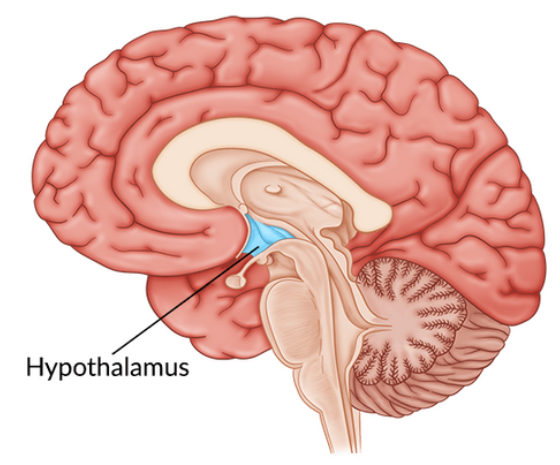
producing acidic secretions, as well as responding to signals from the
hypothalamus in the brain. These nerve signals send messages to the
glands which stimulates the production of sweat to cool the body down.
The blood vessels within the skin also respond to the hypothalamus and
dilate to allow blood to flow closer to the skin and allow heat to be lost,
as well as constrict to retain heat within the body when the temperature
drops.
The pigmented cells, melanocytes also play a part in homeostasis as
they act as a barrier from the damaging effects of ultraviolet light.
